
Why Lighting and Color Temperature Matter More Than You Think in Interior Design
When people think of interior design, they often picture furniture arrangements, paint colors, and curated decor. But one of the most powerful tools in creating a beautiful, functional space is lighting—specifically, the color temperature of that lighting. It’s one of the most subtle yet impactful details that can completely change how a room looks and feels.
DESIGN TIPSFOR HOMEOWNERS & RENTERS
Heydi Ponce
2 min read
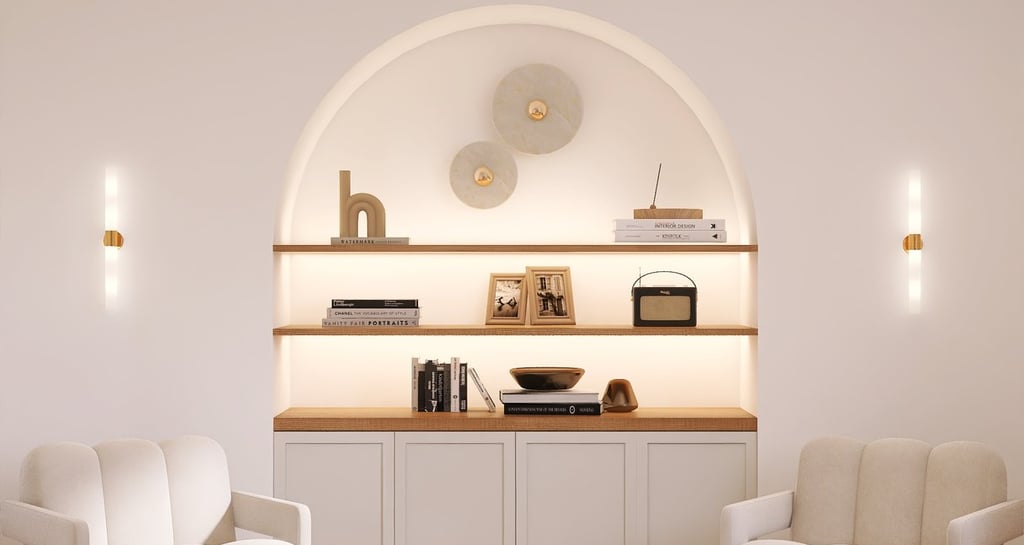
Understanding Color Temperature
Color temperature is measured in Kelvin (K) and determines whether a light source appears warm, cool, or somewhere in between. Lower Kelvin values—typically between 2700K and 3000K—produce a soft, warm glow (think candlelight or traditional incandescent bulbs). Higher Kelvin values, like 4000K to 5000K, create a cooler, more energizing light that leans blue or white.
Each temperature has a specific effect on mood and functionality. Warm light feels cozy and relaxed—perfect for bedrooms and living rooms. Cool light feels crisp and energizing—great for kitchens, bathrooms, or offices where focus and clarity matter.
Why Lighting Can Make or Break a Design
Many people underestimate how much lighting affects everything else in a room. It can change the way paint colors appear on your walls, influence how your furniture tones are perceived, and even impact the texture of materials like wood, stone, or fabric.
For example, a neutral wall might look gray in the morning sun but suddenly feel blue under cooler artificial light. A warm-toned sofa could appear dull or mismatched under a daylight LED. If you’ve ever decorated a space and felt like “something’s off,” lighting could very well be the reason.
As a designer, I always consider how natural and artificial lighting will interact with the color palette, finishes, and layout of a room. Even something as small as the direction a lamp is facing or the temperature of a single bulb can either elevate the entire space—or completely throw it off.
Tips You Might Not Know
Most people install lighting based on brightness alone, not realizing that brightness (lumens) and color temperature (Kelvin) are two separate things. You can have a soft, dim warm light or a bright, cool white—both serve different purposes depending on the space.
Mixing color temperatures is another common mistake. A room with warm overhead lighting and cool-toned lamps can feel visually chaotic. Maintaining a consistent tone across all light sources creates a more harmonious, cohesive look.
Another overlooked detail? Lightbulb placement and shade material. A white fabric shade will diffuse light differently than a metal one. Glass shades amplify brightness. All of these small choices contribute to the final atmosphere of a room.
How a Designer Uses Lighting Intentionally
Lighting is never an afterthought in good interior design. I always take into account how the sun moves through the space throughout the day, and I make lighting recommendations that reflect how the room will be used—morning coffee, afternoon work-from-home hours, cozy evening wind-downs.
Great lighting can highlight architectural details, create soft ambiance, or help small spaces feel larger. And in virtual interior design, I always make sure to include the right bulb type and color temperature in my recommendations—so clients don’t have to guess why their perfect paint color doesn’t look right at night.
Want to Learn More?
If you want more tips on lighting, choosing the right bulbs, and how to create a balanced atmosphere in your home, I share short and helpful breakdowns on my Instagram. You can follow along @havenhuesinteriors for educational posts, behind-the-scenes design insights, and product suggestions to help you style your home like a pro.